
Have you ever been puzzled by conflicting Feng Shui advice? One source tells you to position your bed to face a specific compass direction. Another insists you place a money plant in the far-left corner of your living room, or add a three-legged frog by your front door for good fortune.
The confusion stems from the fact that there are two major schools of Feng Shui in practice today: Classical Feng Shui (which I practice) and Western Feng Shui (also known as BTB or Black Hat Feng Shui).
The Roots of Feng Shui
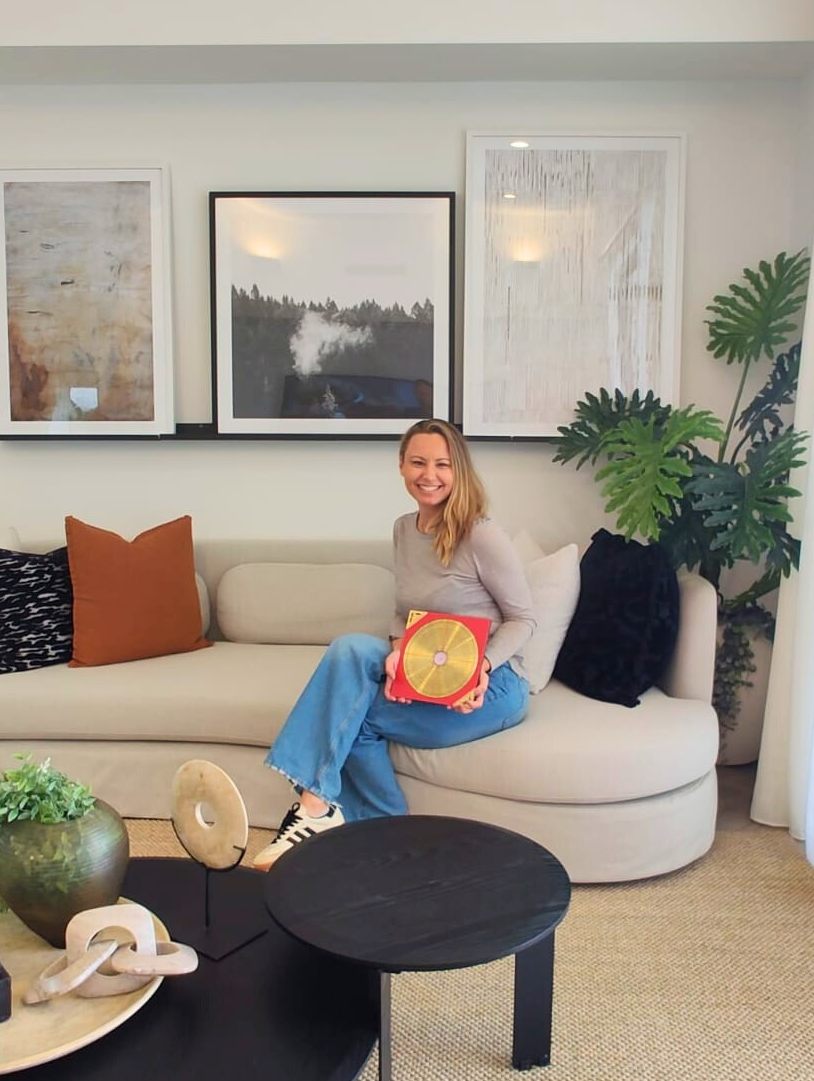
Classical Feng Shui is the original, ancient system rooted in Chinese metaphysics and refined over thousands of years. It’s based on the natural laws of the universe, and it uses the luopan (a Chinese compass) to take precise directional readings of your home. This method considers many factors: your property’s orientation, nearby landforms, the year your home was built, and even your birth date.
This is Feng Shui in its most grounded and profound form. It’s not about superstition or general “feel-good” decor—it’s about decoding the unique energetic blueprint of your home to support your well-being, relationships, and success. The practice incorporates the Five Elements, Qi flow, and the interaction between time and space to determine what adjustments will bring the most powerful results.
The Western Twist: Symbolism & Intuition
Western Feng Shui emerged in the 1980s as a simplified version of the practice tailored to modern Western sensibilities. Rather than using a compass, it employs a fixed Bagua map, always aligned with your front door—regardless of your home’s actual orientation. It emphasizes symbolism, intention-setting, and a more intuitive, feel-good approach.
Placing crystals, creating vision boards, using affirmations, and arranging objects for emotional resonance are some of the common remedies used in this practice. While this can create beautiful and meaningful spaces, it lacks the energetic precision of Classical Feng Shui.
Time Matters
One of the most striking differences between these two schools is their relationship with time. Classical Feng Shui treats time as a dynamic, essential factor—because Qi, like everything in nature, changes. Just as seasons shift, so does the energy in your home. Western Feng Shui, by contrast, tends to apply a static, one-size-fits-all model, focusing more on personal feelings than shifting energetic patterns.
Why I Choose Classical Feng Shui
In my practice, I work with Classical Feng Shui because of its depth, precision, and transformative power. It’s a comprehensive method that maps the unseen energy within and around your home—helping you understand how your space influences your health, prosperity, and emotional balance.
If you’re seeking more than surface-level tips—if you want to truly harmonize your environment with your unique energy—Classical Feng Shui offers a path that’s both ancient and surprisingly modern in its relevance.